What Is the Cost for a House Extension in London in 2026?

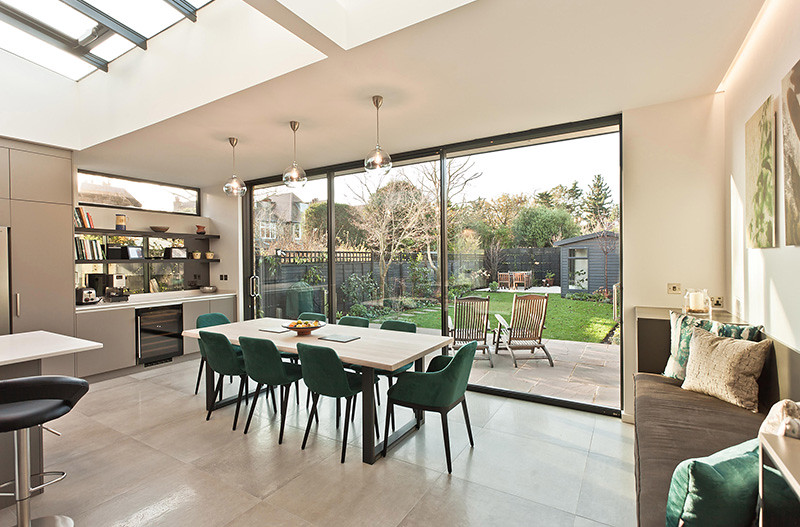
Modern open-plan kitchen-diner house extension in West London with garden views

If you're considering adding space to your home, one of the first questions on your mind is almost certainly: what is the cost for a house extension? It's a question we hear every week from homeowners across Kew, Richmond, Ealing, Brentford and the wider London area—and it deserves a straight, honest answer rather than a vague range with no context behind it.

The truth is that the cost for a house extension in London varies considerably depending on the type of extension, the size of the project, the specification of finishes and the particular challenges of your site. That said, understanding the key cost brackets—and what sits inside them—puts you in a much stronger position when it comes to planning your budget, engaging contractors and making confident decisions.

At Inventive Designs, we work with homeowners across West and North London, covering areas including Shepherd's Bush, Hammersmith, Fulham, Chelsea, Kensington, Battersea, Wandsworth and Wimbledon, as well as extending out to Surbiton, Kingston upon Thames, New Malden, Molesey, Sunbury-on-Thames, Ashford, Stanwell, Hayes, Harrow, Wembley and Harlesden. Across all of these areas, we see the same fundamental cost drivers at work—and this guide is designed to make them clear.

For most homeowners in London, a well-specified single-storey rear extension will cost somewhere between £65,000 and £110,000 for a turn-key finish. Two-storey extensions typically sit between £90,000 and £160,000 or more. These figures include design, planning, construction and fit-out—but the specifics behind those numbers matter enormously, and we'll walk through them in detail below.

Extension Types and Their Costs: A Clear Breakdown
Side return house extension with full-width glazing in Richmond London

Not all extensions are created equal, and understanding how the type of extension you choose affects the overall cost for a house extension is essential before you begin. Here is a practical breakdown of the most common extension types and the realistic total costs you should expect in the London market.

Single-storey rear extensions are by far the most popular choice for homeowners in Ealing, Brentford, Kew and Richmond. Used primarily to extend a kitchen, create an open-plan kitchen-diner or add a family living room, a single-storey rear extension on a typical terraced or semi-detached London property will cost between £65,000 and £110,000 for a quality turn-key finish. Projects at the lower end of this range tend to have simpler roof forms, standard glazing and mid-range finishes. Those at the higher end incorporate lantern rooflights, large sliding or bifold doors, underfloor heating and bespoke joinery.

Two-storey extensions add significant space and value by stacking a ground-floor room beneath a new first-floor bedroom, bathroom or study. The cost for this type of house extension in London typically falls between £90,000 and £165,000, though complex projects with high-specification finishes can exceed this. Two-storey extensions offer excellent value relative to the additional floor area they create, and they are particularly popular in Wandsworth, Wimbledon, Fulham and Chelsea, where maximising internal floor space has a direct impact on property value.

Side return extensions, which fill in the narrow alley running alongside terraced and semi-detached properties, are a staple of renovation projects across Hammersmith, Shepherd's Bush and Kensington. These are frequently combined with a rear extension to form an L-shaped ground floor addition. Total costs typically range from £70,000 to £120,000 depending on size, glazing and internal specification.

Wrap-around extensions—combining a rear and side return addition—are the most ambitious single-storey option, transforming the entire rear and flank of a property into a large, open-plan space. These projects command budgets of £110,000 to £180,000 or more and are most common in Richmond, Kew and Ealing, where period properties have the footprint and garden depth to support them.

Loft conversions and garage conversions are also considered extensions of the home's usable floor area. A loft conversion in West or North London generally costs between £55,000 and £90,000, while a garage conversion sits considerably lower, typically between £15,000 and £30,000, making it one of the most cost-effective ways to add space.

For all extension types, it is important to add professional and statutory fees—typically ten to fifteen percent of the build cost—on top of your construction budget. These cover architectural design, structural engineering, planning applications, building regulations and party wall matters. A contingency fund of ten to fifteen percent of the build total is also strongly recommended to cover unforeseen ground conditions, design refinements or material changes.

What Drives the Cost for a House Extension in London?

Open-plan house extension kitchen with bespoke cabinetry and rooflight in Ealing

Once you understand the broad cost brackets, the next question is what pushes a project toward the top or bottom of those ranges. There are several key factors that consistently influence the cost for a house extension in London, and being aware of them early in your planning process allows you to make informed decisions about where to invest and where to compromise.

Size and footprint are the most obvious cost drivers. A larger extension requires more materials, more labour and more time on site. However, cost per square metre tends to fall slightly as the project grows, because fixed overheads—scaffolding, site setup, steelwork connections to the existing structure—are spread across a larger area. This means that modest extensions can feel expensive relative to their size, while larger projects often represent better value per square metre of space added.

Roof complexity has a significant impact on cost and programme. A simple flat roof or lean-to pitched roof is the most economical option. Lantern rooflights, vaulted ceilings and complex dual-pitch roofs add cost but dramatically improve the quality of natural light and the sense of space—two of the most valued outcomes in any extension project across Kew, Richmond and Ealing.

Glazing is one of the biggest single line items in an extension budget. Standard uPVC or aluminium bifold doors and a modest rooflight can be budgeted reasonably. However, large format glazed walls, structural glass roofs, slimline aluminium sliders from premium manufacturers and bespoke roof lanterns can collectively add £15,000 to £40,000 or more to a project. In areas such as Chelsea, Fulham and Kensington, where clients frequently aspire to a high-end aesthetic, glazing specification tends to push project costs toward the top of the range.

Substructure and ground conditions are less visible but equally important. London's clay soils, the presence of mature trees, legacy drainage runs and close proximity to neighbouring properties or shared boundaries can all complicate the foundation design. In areas such as Battersea, Wandsworth and parts of Richmond where mature street trees are prevalent, a structural engineer may need to specify deeper or piled foundations, adding cost that does not appear in headline estimates based on simple ground conditions.

Access and logistics are frequently underestimated by homeowners planning their first extension. Tight streets, controlled parking zones, the absence of a side access for deliveries and the need for cranes or hoists to bring materials into the rear of the property can add meaningfully to preliminary costs. This is particularly relevant in terraced properties across Harrow, Wembley, Hayes and Harlesden, where rear access is limited and skip licences and parking suspensions form a material part of the site-management budget.

Fit-out and finish level is the single biggest lever in your control. A kitchen extension completed to a mid-range specification—porcelain tiled floor, a well-designed but modestly priced kitchen, standard sanitary ware and painted plaster walls—will sit comfortably in the lower half of the cost range. The same extension fitted with a bespoke handmade kitchen, large-format natural stone flooring, underfloor heating, feature lighting and bespoke joinery will inevitably sit at or above the top of that range. Understanding your own priorities here, and being honest with your designer and contractor about your budget, is the single most important step in keeping your project financially on track.

Getting the Best Value for Your Extension Budget

Completed high-quality house extension with garden access in West London

Understanding the cost for a house extension is only part of the challenge. Getting genuine value from that investment—a well-designed space that lasts, adds to your quality of life and enhances your property's value—requires a clear process and a contractor you can trust.

The first step is to define your brief before you approach anyone for a price. What does the extension need to do? How will you use it day to day? What elements are non-negotiable and where could you compromise if needed? A clear brief allows a designer or contractor to produce a meaningful estimate rather than a speculative range, and it reduces the risk of costs escalating as the design develops.

Always obtain itemised quotes, not lump sum figures. A well-structured quote breaks the project down into substructure, superstructure, roof, glazing, services, fit-out, externals and preliminaries. This transparency allows you to see exactly where your money is going and to make considered decisions about specification. It also makes it far easier to compare quotes from different contractors on a like-for-like basis. Beware of very low headline quotes that omit key items such as structural steelwork, builder's finish only rather than a complete fit-out, or exclusions around party wall works and planning fees.

Invest in quality where it matters most. The substructure, structural frame, roof and weatherproofing of your extension are areas where compromising on quality to save money is rarely wise. These are the elements that determine whether your extension remains dry, warm and structurally sound for decades. By contrast, finishes such as paint colour, light fittings and soft furnishings can be upgraded over time without affecting the performance of the building.

Plan your decisions early and commit to them. The most common cause of budget overruns in extension projects is late changes—alterations to the design, layout or specification after construction has begun. Each change costs money in abortive work, revised drawings and programme delays. A pre-construction phase that locks in the layout, glazing package, kitchen position and service routes before a spade enters the ground is worth every penny in avoided cost and stress.

Choose a contractor with specific experience in your area. Extensions in Kew and Richmond often involve conservation area sensitivities and mature tree constraints. Projects in Molesey, Sunbury-on-Thames and Ashford may involve different planning authority requirements. Contractors who work regularly in your specific area bring practical knowledge of the local planning environment, approved suppliers and site logistics that genuinely saves time and money. Look for a contractor who is willing to share previous project references in your neighbourhood and to show you completed work.

Finally, budget realistically from the outset. The cost for a house extension in London is not low, and there are no meaningful shortcuts that do not ultimately affect quality, longevity or the enjoyment of the finished space. A well-built, thoughtfully designed extension is one of the best investments a London homeowner can make—adding significant value to the property, improving daily life and removing the disruption and expense of moving to a larger home. Approach your budget with clarity and confidence, and the result will repay that investment many times over.

If you are planning an extension in Kew, Richmond, Ealing, Brentford or any of the surrounding areas of West or North London and would like to discuss realistic costs and the best approach for your project, the team at Inventive Designs is ready to help. Contact us today for a no-obligation consultation and a detailed, transparent estimate tailored to your home and your ambitions.

Locations Served

Our main coverage is usually:

  • Kew
  • Richmond
  • Brentford
  • Ealing

We can also cover these extended areas:

  • Shepherd's Bush
  • Hammersmith
  • Fulham
  • Chelsea
  • Kensington
  • Battersea
  • Wandsworth
  • Wimbledon
  • Mitcham
  • Morden
  • Kingston upon Thames
  • Surbiton
  • New Malden
  • Molesey
  • Sunbury-on-Thames
  • Ashford
  • Stanwell
  • Hayes
  • Harrow
  • Wembley
  • Harlesden

CONTACT OUR TEAM TO DISCUSS YOUR IDEAS

About us

Inventive Designs are a London based Building and Refurbishment Contractor specialising in all aspects of Residential Developments and Commercial Refurbishment Contracts.

What we do

Whether you need a flat refurbishment or house extension then get in touch now to discuss your plans and ideas.

Why us

As a leading Building company with more than a decade of experience in the construction industry, we can offer quality builders that no other company can.